
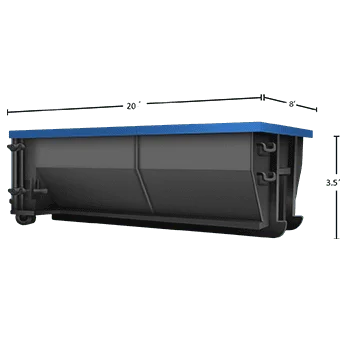
Describe material density as well as visible volume
Light furniture and dense broken material can occupy similar space while requiring different handling. Explain what the load contains and ask about the offered container's restrictions. Spare room is not permission to add more weight or an unaccepted material.
Show the provider the whole operation
Identify gates, turns, surfaces, overhead obstructions and the proposed position. Ask about actual vehicle requirements instead of using a generic dimension from another site. Keep the loading-door area and final collection space separate from the container's base footprint.
Verify the private and public boundary
An empty curb or verge may not belong to the property. Identify the relevant authority if any part of the proposal affects public space. In nearby Columbine Valley, the town's specific policy prohibits temporary dumpsters and portable toilets in its right-of-way; do not transfer a different municipality's arrangement there.
Preserve the agreed load and access until removal
Keep uncertain materials out and follow the operator's loading instructions. Do not relocate a full container with site machinery or store remaining debris where it blocks collection. If the access route changes, tell the provider before requesting the final visit and resolve a workable arrangement.
Questions before you book
Does a larger container always accept denser waste?
No. Ask about the actual material and weight restrictions, not just the capacity label.
Can the driver approve street placement on arrival?
The provider cannot substitute for the relevant property or public authority's permission. Resolve that question before delivery.