
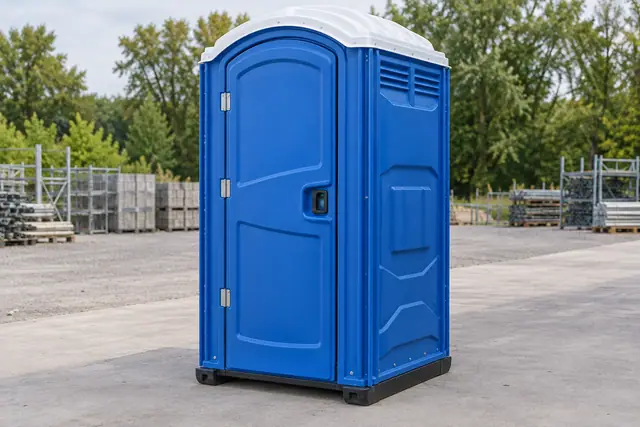
Define what existing facilities cannot provide
Explain whether the rental replaces an unavailable bathroom, supplements an event or serves people who cannot enter a building. Check which users can actually use existing toilets and for how long. A nearby restroom is not an alternative if it is locked or restricted to another group.
Ask what the proposed cabin includes
Request the actual model's features and supplies. Do not assume a sink, flushing or lighting from a category name. Keep functional access needs explicit; placing a standard cabin near the entrance does not make its internal arrangement suitable for every person.
Review the usable space around the unit
Show the property contact the proposed position, door area and approach. Ask the provider about delivery and recurring service access. An ordinary car's route is not proof that the service vehicle can use the same space, and an empty curb is not part of the private property by default.
Give the receiving person a practical brief
Share the confirmed equipment and location, not a selection of earlier options. If the delivered item or site conditions differ, have the authorized contact ask about the discrepancy. After placement, keep the reporting contact available and clarify how supplies, service and collection are handled rather than assuming an on-site observer performs technical maintenance.
Questions before you book
Is a standard toilet enough when a household bathroom is unavailable?
Describe all affected users and missing functions, including washing and any access needs. The temporary arrangement should address those needs rather than assume one cabin replaces every household facility.
Can I put it beside the street for easier service?
The exact position requires property and any applicable public-space review. Do not assume curbside placement is permitted.